Adaptive Facade Systems in Contemporary Urban Design
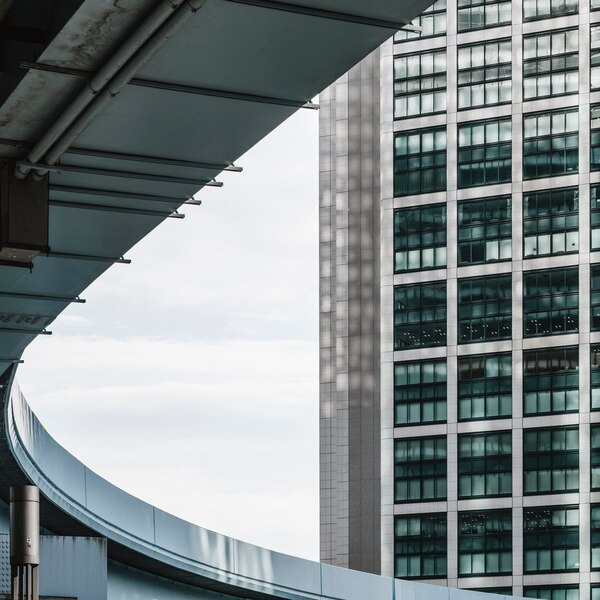
Adaptive facade systems are increasingly central to contemporary urban design, linking architecture, environmental performance, and public space quality. These systems—sometimes called responsive, dynamic, or intelligent facades—modify their behavior or configuration in response to changing external and internal conditions, such as solar radiation, wind, temperature, occupancy, and user input. They sit at the intersection of material innovation, digital technologies, and ecological design, reshaping how buildings interact with their contexts and how cities evolve visually and climatically.
1. From Static Envelope to Responsive Interface
Traditional facades were primarily static buffers: they separated inside from outside, provided structure, controlled light and air to a limited degree, and carried cultural and aesthetic meaning. In dense urban environments, however, static envelopes are often insufficient to reconcile the conflicting demands of daylight access, thermal comfort, privacy, energy efficiency, and urban livability.
Adaptive facade systems reconceptualize the building envelope as an interactive interface:
- Environmentally – They mediate solar gain, daylight, glare, natural ventilation, and heat exchange in real time.
- Socially – They shape visibility, privacy, and the perception of activity from the street.
- Aesthetically – They contribute to a kinetic, evolving cityscape rather than a permanently fixed skyline.
This shift is enabled by advances in control systems, sensors, materials, and building performance modeling, which allow the envelope to behave more like an environmental regulator than a mere protective shell.
2. Typologies of Adaptive Facade Systems
Adaptive facades can be categorized according to the aspect they modulate and the degree of responsiveness.
2.1 Shading and Solar Control Systems
These are among the most widely implemented adaptive systems, especially relevant for high-rise and mid-rise buildings in sunny climates.
- Dynamic louvers and fins – Horizontally or vertically oriented elements that tilt or translate to control sun exposure. Their operation may be automated based on solar position, illuminance, or internal cooling loads.
- Kinetic screens – Perforated or tessellated layers that can open, close, or rotate in patterns, modulating both daylight and views while creating a dynamic urban facade.
- Adjustable overhangs and canopies – Elements that extend or retract seasonally or daily, increasing shading in summer while allowing passive solar gain in winter.
These systems aim to balance daylight penetration with reduction of solar heat gain and glare, directly affecting energy consumption for cooling and artificial lighting.
2.2 Double-Skin and Hybrid Envelopes
Double-skin facades consist of two layers of glazing separated by a ventilated cavity, often combined with operable elements.
- Naturally ventilated double-skin facades – External conditions and pressure differences drive airflow through the cavity, which can be opened or closed via motorized vents.
- Hybrid or mixed-mode systems – Mechanical devices (fans, dampers) complement natural ventilation, allowing controlled purge ventilation, pre-heating, or pre-cooling of air.
By adjusting openings, shading devices within the cavity, and airflow patterns, these facades can contribute to year-round comfort, noise mitigation along busy urban corridors, and reduced operational energy use.
2.3 Ventilation and Breathable Facades
Adaptive systems can modify permeability to air, supporting mixed-mode or natural ventilation strategies in urban buildings:
- Operable panels and windows integrated into curtain walls – Controlled by occupants, building management systems, or both, to introduce fresh air when outdoor conditions are favorable.
- Responsive vents and flaps – Adjusting aperture size based on CO₂ levels, indoor temperature, or humidity.
In dense urban settings, integration with acoustic control is key, requiring sophisticated detailing to reconcile noise insulation with natural airflow.
2.4 Light-Modulating and Media Facades
New materials and technologies allow the facade to modulate light transmission and sometimes communicate information:
- Electrochromic and thermochromic glazing – Glass that changes transparency or tint automatically or through electronic control, reducing glare and solar gain while preserving views.
- Translucent adaptive layers – Fabrics or films with variable opacity or reflectance, dynamically shaping the building’s luminous presence and internal lighting conditions.
- Media facades – LED-embedded or projected surfaces that transform the building into a communicative device. When linked to environmental data, these can visualize energy use, air quality, or occupancy, making building performance legible in the urban realm.
These systems play a dual role: improving visual comfort and contributing to the nighttime identity and legibility of the city.
2.5 Climate-Responsive Material Systems
Beyond mechanical movement, some facades adapt through material behavior:
- Shape-memory or hygroscopic materials – Elements that curl, bend, or open when humidity or temperature changes, enabling passive adaptation without motors.
- Phase-change materials (PCMs) – Integrated into facade layers to store and release latent heat, smoothing internal temperature swings.
Although many applications remain experimental, such systems suggest pathways toward low-energy, self-regulating envelopes.
3. Environmental and Urban Performance
3.1 Energy Efficiency and Carbon Reduction
Adaptive facades are central to lowering operational energy use in urban buildings:
- Reduced cooling loads through real-time solar control and improved ventilation strategies.
- Optimized daylighting that decreases dependency on electric lighting while controlling glare.
- Demand-responsive operation aligned with peak load management and smart grid strategies.
Modeling and post-occupancy studies show that well-designed adaptive systems can significantly cut HVAC and lighting energy, helping cities meet ambitious carbon reduction targets. However, these benefits depend on careful design, robust control logic, and commissioning.
3.2 Thermal and Visual Comfort
Urban buildings must accommodate diverse uses and high occupancy densities. Adaptive facades allow finer control of comfort variables:
- Thermal comfort – Adjusting shading, ventilation, and envelope thermal properties in response to external weather and internal heat gains.
- Visual comfort – Dynamic shading and glazing technologies regulate illuminance levels and glare, maintaining adequate daylight while ensuring view quality.
Occupant satisfaction is closely tied to perceived control; thus, hybrid systems that combine automated optimization with user overrides can be particularly effective.
3.3 Microclimate and Public Realm
Adaptive facades influence the microclimate of streets and open spaces:
- Shading of sidewalks and plazas by overhangs, canopies, and screens.
- Reduction of reflected solar radiation to mitigate urban heat island effects and pedestrian discomfort.
- Wind modulation – Carefully articulated forms and porous layers that break down downdrafts and reduce wind tunnels at street level.
By mediating solar exposure, wind, and light spill, adaptive systems can contribute to more comfortable, usable public spaces and support outdoor urban life.
4. Aesthetic and Cultural Dimensions
Adaptive facades are not only technical devices; they are also cultural artifacts that shape urban identity.
4.1 Kinetic Urban Landscapes
Moving or changing facades introduce a new type of urban dynamism:
- Daily and seasonal changes in orientation, color, or transparency create evolving visual experiences.
- The building’s appearance becomes a legible expression of environmental conditions (sun, wind) or internal patterns of use.
This kinetic quality can enhance wayfinding, character, and memory in otherwise homogeneous cityscapes, but also raises questions of visual clutter and sensory overload.
4.2 Transparency, Privacy, and Social Interaction
Dynamic control over transparency and visibility can recalibrate relationships between private and public realms:
- Offices or housing can shift between open, transparent states and more private, enclosed conditions.
- Facades can reveal or conceal activity, influencing how buildings participate in the social life of the street.
Such capabilities invite new architectural narratives around openness, surveillance, and publicness in dense urban contexts.
4.3 Media and Information
Media-enabled facades contribute to the communicative layer of the city:
- Buildings become real-time displays for cultural content, civic information, or environmental data.
- When integrated thoughtfully, media facades can support civic engagement and cultural expression rather than purely commercial messaging.
Urban design guidelines increasingly address how these systems impact nightscapes, light pollution, and neighborhood character.
5. Design, Control, and Governance Challenges
Despite their promise, adaptive facade systems pose substantive challenges in the urban context.
5.1 Complexity and Reliability
Adaptive systems introduce layers of mechanical, electrical, and digital complexity:
- Maintenance – Motors, sensors, and control units require regular servicing and can fail under harsh weather, pollution, or aggressive urban microclimates.
- Robustness – Poorly specified or installed systems may be disabled over time, ending up in a permanently fixed position that undermines the original intent.
- Lifecycle assessment – Environmental gains from operation must be balanced against embodied carbon, material use, and replacement cycles of high-tech components.
Long-term reliability and ease of maintenance are critical for large-scale adoption.
5.2 Control Strategies and User Experience
Control logic is central to performance:
- Automated vs. manual control – Fully automated systems may optimize energy but frustrate occupants; manual systems may reduce energy gains if misused.
- Adaptive algorithms – Increasingly, machine learning is proposed to refine control based on historical data and occupant behavior, requiring careful governance and transparency.
- User interfaces – Intuitive, legible controls can support occupant engagement without overwhelming them with complexity.
The most successful strategies are often those that combine high-level automation with meaningful options for local override and feedback.
5.3 Regulatory and Urban Design Frameworks
Existing planning and building codes may not fully anticipate dynamic envelopes:
- Zoning and massing – Moving elements can affect setback lines, overshadowing, and rights to light; regulations often assume static geometries.
- Glare and light pollution controls – Highly reflective or luminous facades can conflict with local ordinances and adversely affect neighbors.
- Safety and access – Operable exterior elements require clear protocols for emergency operation, maintenance access, and fail-safe mechanisms.
Urban design guidelines will need to evolve to address the cumulative impact of numerous adaptive and media facades on the metropolitan environment.
6. Adaptive Facades and Smart Cities
In the context of smart city initiatives, adaptive facades can act as distributed environmental infrastructure:
- Data integration – Facades equipped with sensors can monitor solar radiation, temperature, wind, or air quality, feeding into urban-scale environmental models.
- Demand response – Buildings with responsive envelopes can adjust their energy use and thermal loads in coordination with the grid, supporting peak shaving and renewable integration.
- District-scale optimization – At the neighborhood level, adaptive envelopes can be coordinated to minimize mutual overshadowing, heat island effects, and glare, and to share environmental resources such as airflow and daylight.
This systemic role requires interoperable standards, open data frameworks, and governance structures that preserve privacy and public interest.
7. Equity, Inclusion, and Access
There is a risk that advanced adaptive facades remain confined to prestige projects and affluent districts, exacerbating spatial inequality:
- Cost barriers – High upfront costs and perceived technical risk can limit adoption in affordable housing or community facilities.
- Uneven environmental benefits – Populations most vulnerable to heat, pollution, and energy poverty are often last to benefit from high-performance building technologies.
- Cultural relevance – Design languages and media content associated with adaptive and media facades may not reflect local communities and their identities.
Integrating adaptive systems into public buildings, social housing, and civic infrastructure can help distribute benefits more evenly, while participatory design processes can shape their aesthetic and communicative roles.
8. Future Directions
Several emerging trajectories are likely to shape the next generation of adaptive facades in urban design:
- Low-energy, low-tech responsiveness – Greater emphasis on passive and material-based adaptation, reducing dependence on motors and complex electronics.
- Modular, upgradable systems – Facade components designed for disassembly, replacement, and refurbishment, aligning adaptive technologies with circular economy principles.
- Integrated performance metrics – Holistic evaluation that accounts for energy, comfort, embodied carbon, resilience, and social impact within a single design framework.
- Bioclimatic and nature-based models – Facades that emulate ecological systems, hosting vegetation, biodiversity, and water management functions while remaining dynamically responsive.
- Co-created media content – Media facades serving as civic platforms rather than purely commercial surfaces, governed through collaborative cultural and policy frameworks.
In each case, the challenge is to embed adaptability not only in technology but in the social, regulatory, and economic systems that shape cities.
9. Conclusion
Adaptive facade systems are redefining the relationship between buildings and the urban environment. By making envelopes responsive to climate, occupancy, and social use, they offer powerful tools to improve energy performance, comfort, and public realm quality. At the same time, their successful integration into contemporary urban design demands careful attention to complexity, maintenance, regulation, and equity.
As cities confront climate change, resource constraints, and evolving patterns of urban life, adaptive facades will play an increasingly important role. Their future lies not simply in more sophisticated technology, but in more thoughtful design: systems that are robust, inclusive, legible, and deeply attuned to the ecological and cultural contexts of the places they inhabit.